
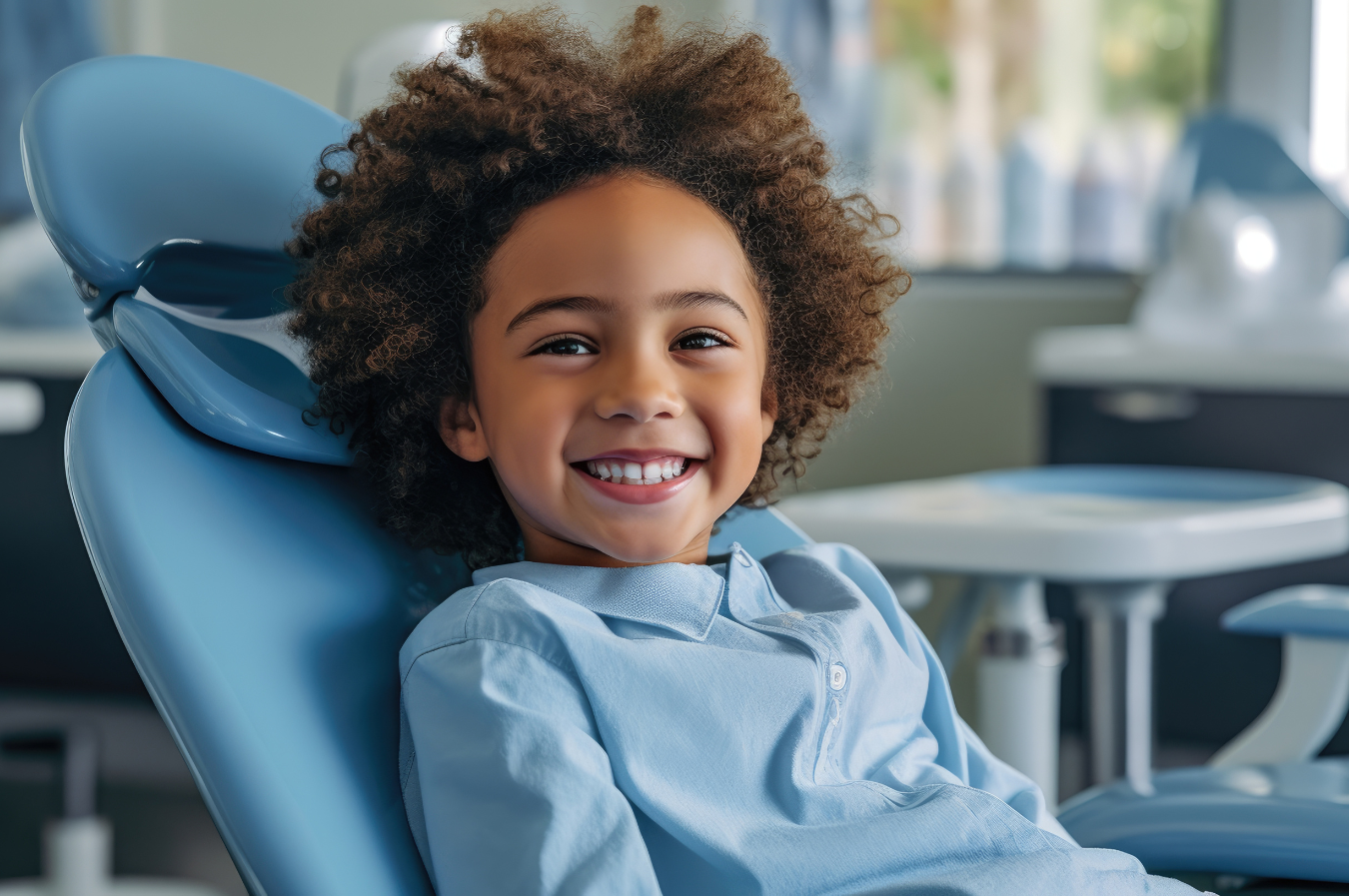
As a parent, you want to make sure your child grows up with a healthy, confident smile — and that starts with laying the right foundation early. One of the most common questions parents ask is: “When should my child have their first orthodontic appointment?”
The answer might surprise you. While many people associate orthodontics with braces in the teenage years, early evaluation is actually key to preventing more serious issues down the line.
Here’s what you need to know about when to schedule your child’s first orthodontic exam — and why early care matters.
What’s the Recommended Age for a First Orthodontic Visit?
According to the American Association of Orthodontists (AAO), children should have their first orthodontic evaluation by age 7 — even if they still have baby teeth.
At this age, a mix of baby and permanent teeth is usually present, and your child’s jaw and facial bones are still developing. This timing gives the orthodontist a chance to spot potential issues early — when they’re often easier (and less invasive) to treat.
It’s important to note:
Early evaluation doesn’t mean early treatment. In most cases, no immediate action is needed — but it allows the orthodontist to monitor your child’s growth and step in at the right time, if necessary.
What Can an Orthodontist Spot at Age 7?
By age 7, enough adult teeth have typically erupted to detect subtle problems with jaw growth and dental alignment. Early exams help identify issues like:
- Crossbites — When the upper and lower teeth don’t align correctly
- Crowding — Not enough room in the mouth for permanent teeth
- Overbites and underbites — Where the jaws are misaligned
- Open bites — When front teeth don’t meet when biting
- Impacted or missing teeth — Teeth that may be trapped or failing to develop
- Mouth breathing or thumb sucking habits — Which can affect jaw development
- Speech issues or abnormal swallowing patterns
Even if everything looks fine visually, there may be underlying growth or alignment concerns that only a trained orthodontist can detect.
Why Is Early Orthodontic Evaluation Important?
Early evaluation doesn’t always lead to early treatment — but it does provide peace of mind and proactive insight. In some cases, starting treatment earlier can prevent more complex issues later.
Benefits of early evaluation may include:
- Guiding jaw growth and creating space for crowded teeth
- Reducing the need for tooth extractions later
- Improving facial symmetry and bite function
- Breaking harmful oral habits like thumb sucking
- Lowering the risk of dental trauma (especially with protruding front teeth)
- Monitoring development to time future treatment perfectly
In short, early orthodontic exams help set the stage for smoother, more efficient care — whether treatment begins at age 8, 11, or even later in the teen years.
What Happens at the First Orthodontic Appointment?
A first orthodontic visit is simple, non-invasive, and often includes:
- A conversation about your child’s dental and medical history
- A visual exam of teeth, bite, and jaw alignment
- Digital photos or X-rays (if needed)
- A discussion of any current or future treatment needs
- Guidance on when to return for follow-up monitoring
Even if treatment isn’t needed right away, you’ll walk away with a clear picture of your child’s smile development — and a plan for the future, if needed.
Is Age 7 Too Early for Braces?
Most children don’t need braces at age 7 — and in many cases, full orthodontic treatment won’t begin until ages 11–14, once most permanent teeth have erupted.
However, for certain developmental issues, early treatment (often called Phase One treatment) can be beneficial. This may include appliances that guide jaw growth, expand the palate, or help stop harmful oral habits before they lead to bigger problems.
Your orthodontist will let you know if any early intervention is recommended — or if simple monitoring is all that’s needed for now.
What If My Child Is Older Than 7?
If your child is older than 7 and hasn’t seen an orthodontist yet, don’t worry — it’s not too late! While early evaluation is ideal, orthodontic treatment can be successful at any age.
If you’ve noticed signs like crowding, bite issues, or speech problems, it’s a good idea to schedule an evaluation sooner rather than later. Earlier diagnosis often leads to simpler, shorter, and more effective treatment plans.
Looking Ahead: A Healthy Smile Starts Early
Orthodontic issues can be easier to correct while a child’s bones are still developing. That’s why early evaluation is about being proactive, not reactive.
Even if your child’s teeth look straight, there may be hidden issues with their bite, jaw growth, or oral habits that could benefit from early guidance. Think of it as a smile check-up — one that can help prevent bigger problems and set your child up for a lifetime of oral health.
Ready to Schedule Your Child’s First Orthodontic Visit?
If your child is around age 7 — or if you’ve noticed signs of potential bite or alignment concerns — it’s a great time to schedule their first orthodontic exam.
At Van Vliet & Ganz Orthodontics, we specialize in caring for growing smiles. Our board-certified orthodontists take a gentle, conservative approach, offering early evaluations and treatment only when it’s truly needed. Located in Highland, NY, we proudly serve families throughout the Hudson Valley.
Book a complimentary consultation today and learn how early orthodontic guidance can give your child the best start toward a confident, healthy smile.