
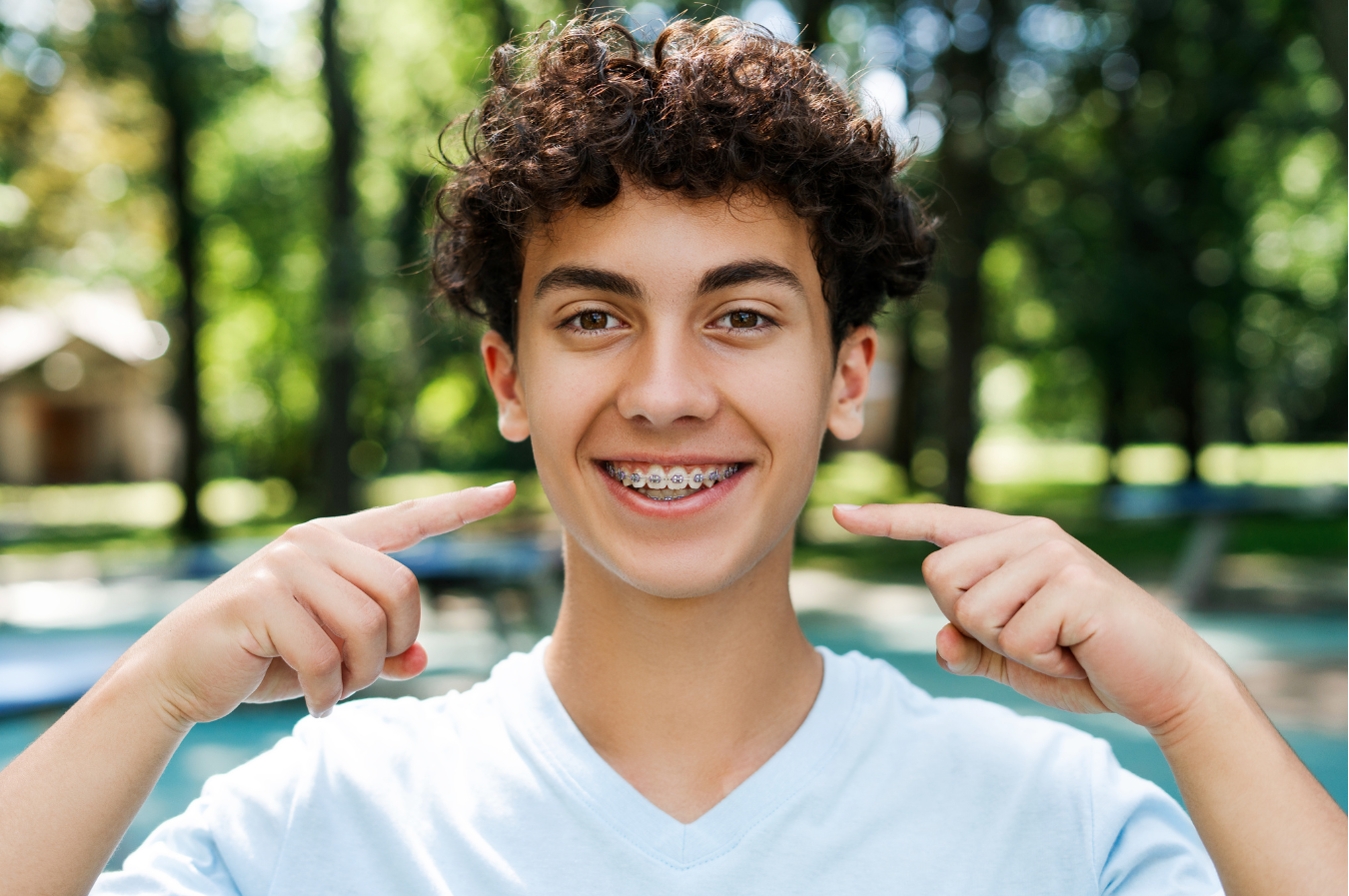
Orthodontic treatment has come a long way over the years. Gone are the days when metal braces were the only option — today, patients have a variety of choices that can match their lifestyle, comfort preferences, and budget.
Whether you’re exploring braces for your child, teen, or yourself, understanding your options is the first step toward making an informed decision. In this guide, we’ll cover the most common types of braces, their features, and what you can expect when it comes to cost.
Why Braces Cost Vary
Before diving into the types, it’s helpful to understand that several factors influence the overall cost of braces:
- Type of appliance — Some systems are more expensive to fabricate or maintain
- Complexity of the case — More severe misalignment or bite issues may require longer treatment
- Length of treatment — Most cases range from 12 to 30 months
- Orthodontist’s experience and location — Geographic region and practice reputation can affect fees
- Insurance coverage — Some dental insurance plans help cover a portion of orthodontic care
- Included services — Diagnostic records, retainers, and follow-ups may or may not be bundled into the total fee
Now let’s break down the most common types of braces and what you can generally expect in terms of cost.
Metal Braces
Metal braces are the most traditional — and still one of the most widely used — orthodontic treatment options. They consist of stainless steel brackets and wires, and are known for their durability and effectiveness.
Best for:
Children, teens, or adults with moderate to complex alignment issues
Patients looking for the most affordable option
Those who want colorful bands for a customized look
Pros:
- Strong and reliable
- Usually the most cost-effective
- Can correct even the most complex bite issues
Estimated Cost:
$3,000 – $6,000 depending on case complexity and length of treatment
Ceramic (Clear) Braces
Ceramic braces function similarly to metal braces but use tooth-colored or clear brackets that blend into the smile. They’re a popular option among teens and adults looking for something more discreet.
Best for:
Patients who want less noticeable braces but still need traditional treatment
Mild to moderate cases
Older teens and adults with aesthetic concerns
Pros:
- Less visible than metal braces
- Effective for a wide range of cases
Cons:
- Brackets can stain if not cared for properly
- Slightly more fragile than metal
Estimated Cost:
$4,000 – $7,000
Lingual Braces
Lingual braces are placed on the back (tongue side) of the teeth, making them invisible from the front. They work like traditional braces but are custom-made for each patient.
Best for:
Adults in public-facing roles
Patients who want complete discretion
Those with minor to moderate orthodontic needs
Pros:
- Hidden from view
- Custom-fit to your smile
Cons:
- May cause temporary tongue discomfort or speech issues
- Usually more expensive due to customization
- Not suitable for all cases
Estimated Cost:
$8,000 – $10,000+
Clear Aligners
Clear aligners are removable plastic trays that gently shift the teeth over time. They’re one of the most popular modern options, especially among teens and adults who want a more flexible treatment experience.
Best for:
Patients with mild to moderate alignment issues
Individuals who can commit to wearing them 20–22 hours per day
Adults looking for discreet treatment
Pros:
- Nearly invisible when worn
- Removable for eating and cleaning
- No brackets or wires to adjust
Cons:
- Not ideal for complex bite issues
- Requires strong compliance
Estimated Cost:
$4,000 – $7,500
(Includes sems like Invisalign or in-house clear aligners)
What’s Included in the Cost of Braces?
Depending on the orthodontic office, your total treatment cost may include:
- Initial consultation and exam
- X-rays, photos, and digital scans
- The braces or aligners themselves
- Regular adjustments or check-ins
- Emergency appointments (if needed)
- Retainers after treatment
- Follow-up monitoring and retention support
Be sure to ask for a detailed breakdown of costs during your consultation so you know exactly what’s covered — and what’s not.
Making Braces More Affordable
Orthodontic treatment is an investment, but many practices offer flexible options to help manage the cost:
- Monthly payment plans — Interest-free financing available in many offices
- Dental insurance — Some plans cover up to 50% of treatment for children (and sometimes adults)
- Health savings accounts (HSA) or flexible spending accounts (FSA) — Can be used to pay for orthodontic care with pre-tax dollars
- Family discounts — Some providers offer discounts for multiple siblings or additional family members in treatment
yst
It’s always a good idea to check your insurance benefits in advance and ask about payment options that work with your budget.
Choosing the Right Option for You or Your Child
With so many types of braces available, the best way to decide is to schedule a consultation with an experienced orthodontist. They’ll evaluate your needs, explain the pros and cons of each option, and help you choose a treatment plan that fits your goals — and your budget.
Everyone deserves a healthy, confident smile — and there’s a solution for every lifestyle.
Ready to Learn Which Braces Are Right for You?
If you’re considering braces for yourself or your child and want expert guidance on the best treatment options and pricing, Van Vliet & Ganz Orthodontics is here to help. Our board-certified team in Highland, NY offers a full range of orthodontic solutions — including clear aligners, ceramic braces, and metal braces — with personalized plans that fit your needs and budget.
Schedule a complimentary consultation today and let’s find the right path to your best smile.