
When it comes to straightening teeth, patients today have more choices than ever before. Two of the most popular orthodontic options — Invisalign and traditional braces — both offer effective ways to achieve a healthier, more confident smile. But which one is right for you or your child?
Whether you’re considering treatment for the first time or looking into alternatives after a previous orthodontic experience, understanding the pros and cons of each option is key.
In this article, we’ll break down how Invisalign and traditional braces compare in terms of appearance, comfort, treatment time, cost, and more — helping you make an informed decision based on your lifestyle and goals.
Appearance and Discreetness
Invisalign
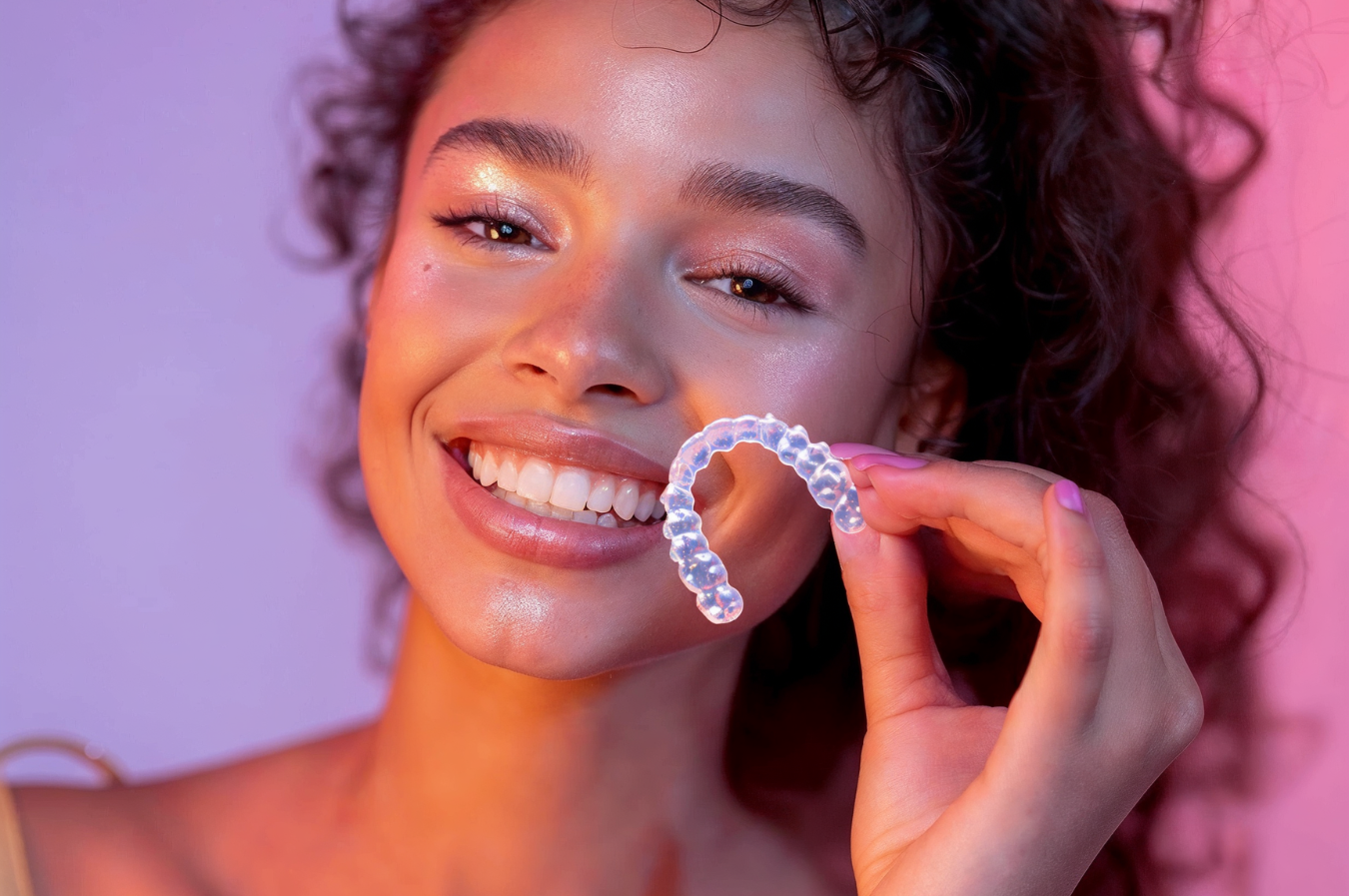
One of the biggest advantages of Invisalign is its clear design. The aligners are made of smooth, transparent plastic that fits snugly over the teeth. Most people won’t even notice you’re wearing them.
- Nearly invisible when worn
- No metal, brackets, or wires
- Ideal for image-conscious teens and adults
Traditional Braces
Metal braces use brackets and wires attached to the front of the teeth. While newer designs are smaller and sleeker, they are still more visible.
- Brackets and wires can be noticeable
- Available in metal or ceramic (clear) versions
- Some patients enjoy choosing colorful rubber bands for self-expression
Winner for appearance: Invisalign
Comfort and Daily Experience
Invisalign
Clear aligners are known for their smooth edges and gentle feel. There are no wires to poke or brackets to rub against the inside of the mouth. However, they must be worn consistently (20–22 hours a day) to work effectively.
- Smooth, irritation-free plastic
- Easy to remove for eating and brushing
- Mild pressure when switching trays
- Requires discipline to wear as directed
Traditional Braces
Braces apply steady pressure using brackets and wires. Adjustments can cause temporary discomfort, and brackets may cause irritation to the cheeks or lips.
- May cause mouth irritation or soreness after adjustments
- No risk of forgetting to wear them — always on
- Brushing and flossing require more effort around brackets
Winner for comfort: Invisalign (with consistent wear)
Eating and Diet Restrictions
Invisalign
Since aligners are removed during meals, you can eat virtually anything — from crunchy snacks to chewy foods — without worry.
- No food restrictions
- Must remove aligners before eating or drinking anything but water
- Important to clean teeth before putting aligners back in
Traditional Braces
Certain foods can damage or get stuck in braces, which means patients need to avoid sticky, hard, or chewy items.
- Avoid popcorn, gum, nuts, and crunchy fruits
- Requires extra cleaning effort to remove trapped food particles
- May require dietary adjustments for the duration of treatment
Winner for food freedom: Invisalign
Treatment Time and Effectiveness
Invisalign
Clear aligners are effective for many common alignment issues, including mild to moderate crowding, spacing, and bite problems.
- Average treatment time: 12–18 months
- Less effective for severe bite corrections or complex cases
- Requires patient compliance to stay on track
Traditional Braces
Braces are a reliable solution for all types of orthodontic concerns — including complex bite issues, severe crowding, and jaw misalignments.
- Average treatment time: 18–24 months
- Excellent for comprehensive correction
- Doesn’t rely on patient compliance
Winner for complex cases: Traditional braces
Winner for mild to moderate cases: Invisalign
Maintenance and Oral Hygiene
Invisalign
Aligners are removable, making brushing and flossing easy. However, they require careful cleaning to prevent stains and odors.
- Remove to brush and floss as usual
- Clean aligners regularly with gentle soap or specialized cleaner
- Easier to maintain long-term oral health
Traditional Braces
Braces make brushing and flossing more challenging, especially around brackets and under wires.
- Requires use of special tools (interdental brushes, floss threaders)
- Higher risk of plaque buildup or white spots without proper care
- Regular dental cleanings are essential
Winner for oral hygiene: Invisalign
Cost Comparison
Invisalign
- Generally ranges from $4,000 – $7,500
- May be slightly higher for longer or more complex treatment
- Often includes digital scans, aligners, and retainers
- Many orthodontic practices offer flexible payment plans
Traditional Braces
- Typically ranges from $3,000 – $6,500
- Metal braces tend to be more affordable than ceramic
- Includes brackets, wires, adjustments, and follow-up care
- Often covered partially by dental insurance
Winner for affordability: Traditional braces (slightly)
Which Option Is Right for You?
Choosing between Invisalign and traditional braces depends on your unique needs, lifestyle, and treatment goals. Here’s a quick overview:
| Feature | Invisalign | Traditional Braces |
|---|---|---|
| Appearance | Virtually invisible | Visible (metal or ceramic) |
| Comfort | Smooth and removable | Fixed, may cause irritation |
| Eating | No restrictions | Some restrictions |
| Compliance Needed | High (must wear aligners daily) | Low (braces are fixed) |
| Treatment Complexity | Best for mild to moderate issues | Best for complex cases |
| Oral Hygiene | Easier with removable trays | More challenging with brackets |
| Cost | $4,000 – $7,500 | $3,000 – $6,500 |
Not Sure Which to Choose? Get Expert Guidance
Both Invisalign and traditional braces offer proven results when guided by an experienced orthodontist. The best way to determine which is right for you or your child is through a professional evaluation.
Your orthodontist will assess your smile, explain your options, and help you choose a solution that fits your goals, budget, and lifestyle.
Ready to Compare Invisalign and Braces with a Specialist?
If you’re considering orthodontic treatment and wondering which option is best, Van Vliet & Ganz Orthodontics is here to help. Our board-certified team in Highland, NY offers both Invisalign and traditional braces — with customized plans designed for your smile, schedule, and comfort.
Schedule a complimentary consultation today to explore your options and take the first step toward a healthier, more confident smile.