
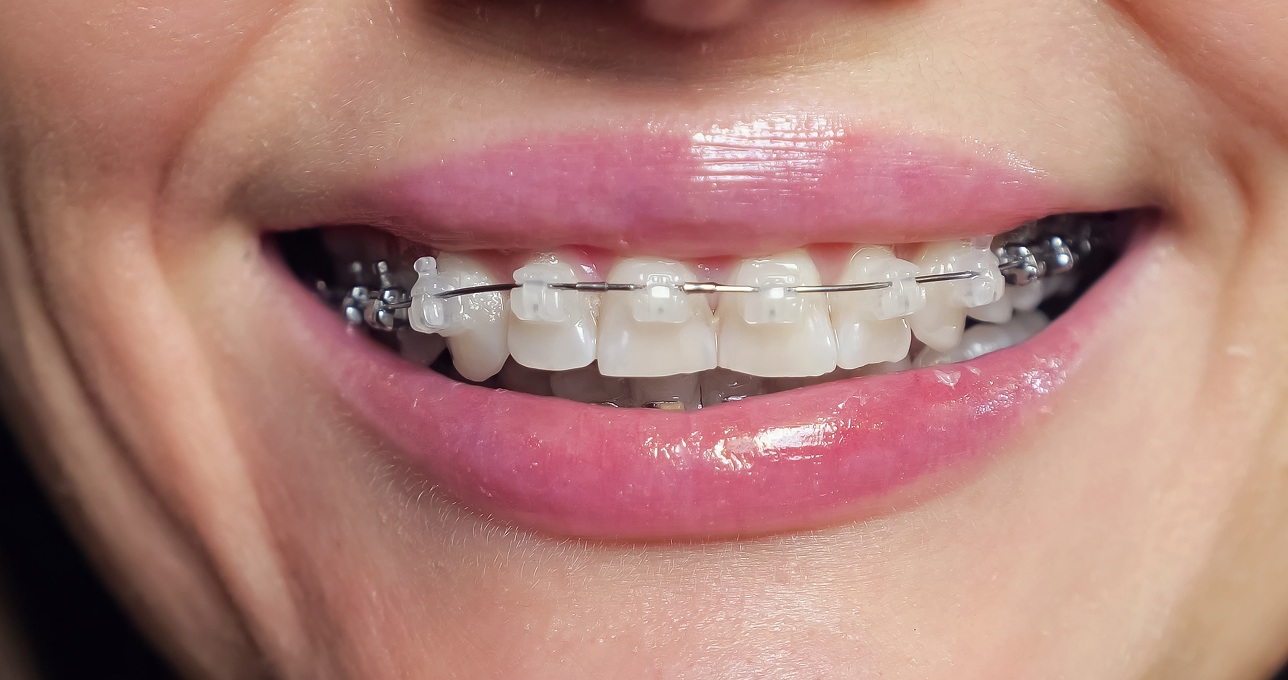
Getting braces is a big step toward a healthier, more confident smile. But one question comes up more than any other: “Will it hurt?” The honest answer is that braces cause pressure and soreness, not sharp discomfort. Most patients describe the sensation as a dull ache or tenderness, similar to the feeling after a good workout. This soreness is actually a positive sign: it means your teeth are moving into better positions.
Our board-certified orthodontists at Van Vliet & Ganz Orthodontics help patients of all ages understand exactly what to expect during treatment. The temporary soreness you feel is brief compared to the lasting results of a straighter, healthier smile. Below, you’ll find a breakdown of what braces discomfort really feels like, when it happens, and how to manage it effectively.
What Does Braces Pain Actually Feel Like?
Braces pain feels like a dull, widespread pressure across several teeth at once. It is not sharp or stabbing. Most patients also notice mild bracket irritation on their cheeks and temporary temperature sensitivity during the first week. Here’s a closer look at what to expect.
The most common sensation is that general achiness spread across multiple teeth simultaneously. Think of it like the soreness you’d feel after chewing on something tough for too long. Your teeth may feel “heavy” or tender when you press on them, and biting into food can amplify that tenderness for the first few days.
Temperature sensitivity is also common during the first week. A sip of ice water or a bite of warm soup might feel more intense than usual. This fades as your mouth adjusts.
Bracket irritation is a separate type of discomfort. The metal or ceramic pieces bonded to your teeth can rub against the inside of your cheeks and lips, especially before your mouth toughens up. This feels more like a friction blister than tooth soreness, and orthodontic wax handles it well.
The level of discomfort varies from person to person. Some patients barely notice it after the first day or two. Others feel sore for most of the first week. Age, individual sensitivity, and the complexity of your tooth movement all play a role. Across the board, though, patients consistently describe the discomfort as manageable, not severe.
Your board-certified orthodontist will walk you through what to expect based on your specific treatment plan, so you won’t be caught off guard.
Do Braces Hurt? A Stage-by-Stage Timeline
Braces soreness follows a predictable pattern: little to no discomfort during placement, peak soreness during days 3 to 5, and mild tenderness for 1 to 3 days after each adjustment. Knowing when to expect discomfort helps you prepare mentally and practically. Here’s what most patients go through at each stage of treatment:
What Happens on the Day of Placement?
The visit itself is surprisingly comfortable. Your orthodontist bonds brackets to your teeth and threads the archwire through them. You might feel some pressure as components are positioned, but the process is not uncomfortable. Patients typically leave feeling fine, though their mouth may feel “full” with the new hardware.
What Do the First 3 to 5 Days Feel Like?
This is when soreness peaks. Your teeth begin responding to the gentle, constant pressure of the wire. You’ll likely notice:
- Tenderness when biting or chewing
- General achiness in your teeth and jaw
- Sensitivity to temperature changes
- Mild irritation where brackets touch your cheeks
Stick to soft foods during this window. Yogurt, mashed potatoes, smoothies, and pasta are your friends.
What Happens at Adjustment Visits?
Every 4 to 8 weeks, you’ll visit your orthodontist to have your wires tightened or replaced. Each adjustment restarts the movement process, so expect 1 to 3 days of mild soreness afterward. The good news? Adjustments tend to become easier to handle as treatment progresses.
What If Something Breaks or Pokes?
Occasionally, a bracket loosens or a wire pokes your cheek. These situations can cause localized irritation until you get them addressed. Keep orthodontic wax handy for temporary relief, and call your orthodontist to schedule a repair.
Discomfort Typically Decreases Toward the End
As your teeth approach their final positions, the required movements become smaller. Many patients notice that soreness decreases significantly during the last phase of treatment. By this point, your mouth has fully adapted to the brackets and wires.
Why the Temporary Discomfort Is Worth It
Braces discomfort is temporary. The payoff, teeth that are easier to clean, a bite that works the way it should, and a smile you actually want to show, lasts decades. At Van Vliet & Ganz Orthodontics, our team sees this transformation play out every day. When you weigh a few days of soreness against years of better oral health and self-assurance, the trade-off becomes pretty clear.
How Do Braces Improve Oral Health?
Straight teeth are easier to brush and floss thoroughly. When teeth overlap or crowd together, plaque hides in hard-to-reach spots. Proper alignment reduces your risk of cavities, gum disease, and tooth decay. Your board-certified orthodontist can explain how alignment improvements benefit your long-term oral health in ways that go well beyond appearance.
A Corrected Bite Reduces Jaw Soreness
A corrected bite distributes chewing forces evenly across all your teeth. This prevents excessive wear on certain teeth and can alleviate jaw soreness, headaches, and TMJ-related symptoms. Many patients don’t realize how much their bite contributes to recurring head and neck tension until treatment corrects the underlying alignment issue.
How Does a Straighter Smile Affect Confidence?
A smile you’re proud of changes how you present yourself to the world. Patients of all ages report feeling more confident in social and professional situations after completing treatment. That shift in self-assurance is something our patients mention again and again.
Leading-Edge Braces Are More Comfortable Than Older Ones
Today’s braces are smaller, smoother, and more comfortable than the metal brackets of decades past. Heat-activated nickel-titanium archwires, for example, apply gentler and more consistent pressure than older stainless steel wires. Bracket profiles have also been reduced, meaning less material rubbing against your cheeks. These advances translate to less soreness overall, and they’re one reason patients are often surprised by how manageable treatment feels.
Braces vs. Invisalign: Which Hurts More?
Patients at Van Vliet & Ganz Orthodontics frequently ask whether braces or Invisalign causes more discomfort. Both treatment options move teeth using controlled pressure, so some soreness is unavoidable with either choice. However, the type and timing of discomfort differ.
| Factor | Traditional Braces | Invisalign |
|---|---|---|
| Source of discomfort | Wire pressure + bracket irritation | Aligner pressure + edge irritation |
| Adjustment frequency | Every 4 to 8 weeks | New trays every 1 to 2 weeks |
| Intensity | Moderate soreness for 1 to 3 days | Mild soreness more frequently |
| Soft tissue irritation | Brackets can rub cheeks/lips | Aligner edges may irritate gums |
| Ability to remove | Fixed in place | Removable for eating and cleaning |
Neither braces nor Invisalign is significantly more painful. Braces cause less frequent but more intense soreness, while Invisalign causes milder but more frequent discomfort.
Many Invisalign patients report that the discomfort feels less intense because the pressure changes are smaller and more frequent. The trade-off? You feel that mild soreness more often.
Braces patients typically have longer gaps between adjustments, but each tightening may produce more noticeable soreness for a few days. In practice, both are very manageable and neither stands out as significantly more uncomfortable.
The right choice depends on your specific orthodontic needs, lifestyle preferences, and treatment goals. A consultation with a board-certified orthodontist at Van Vliet & Ganz Orthodontics can help you weigh the options.
Proven Ways to Relieve Braces Pain at Home
The team at Van Vliet & Ganz Orthodontics recommends these tried-and-true strategies to help you manage soreness effectively. You don’t have to just tough it out. Here are five proven remedies:
- Over-the-counter relievers like ibuprofen or acetaminophen
- Orthodontic wax applied to irritating brackets
- Cold therapy using ice packs, frozen fruit, or cold smoothies
- Saltwater rinses to soothe sores and promote healing
- Soft foods that require minimal chewing
Below, each remedy is covered in more detail.
Over-the-Counter Relievers
Medications like ibuprofen or acetaminophen work well for braces discomfort. For best results, take them about an hour before your adjustment visit. This helps reduce inflammation before soreness sets in. Always follow dosage instructions and consult your doctor if you have concerns.
How Orthodontic Wax Works
This soft, moldable wax is a lifesaver for bracket irritation. Pinch off a small piece, roll it into a ball, and press it over any bracket that’s rubbing your cheek or lip. The wax creates a smooth barrier between the metal and your soft tissue. Replace it after meals or whenever it falls off.
Cold Therapy for Soreness
Cold reduces inflammation and numbs sore areas. Try:
- Ice cream or frozen yogurt
- Cold smoothies
- Ice packs wrapped in a cloth, held against your cheek
- Frozen fruit like grapes or berries
Saltwater Rinses Speed Up Healing
Mix one teaspoon of salt into eight ounces of warm water. Swish gently for 30 seconds, then spit. This rinse soothes mouth sores and promotes healing. Repeat several times daily as needed.
What to Eat After Getting Braces or an Adjustment
For the first 2 to 3 days after getting braces or having an adjustment, choose foods that require minimal chewing:
- Mashed potatoes and sweet potatoes
- Scrambled eggs (easy to make in bulk)
- Soup and broth, especially warm
- Oatmeal
- Pasta with soft sauce
- Bananas and avocados
- Protein shakes
Avoid hard, crunchy, or chewy foods until the soreness subsides.
When Should You Call Your Orthodontist About Pain?
Most braces discomfort is normal and resolves on its own. However, certain situations warrant a call to your orthodontic team. Here’s what to watch for:
Soreness that lasts more than a week after an adjustment may need attention. Discomfort should fade within a few days. Persistent tenderness beyond seven days is worth reporting so your orthodontist can evaluate whether something needs to be adjusted.
A loose or broken bracket, or a wire that has snapped, can’t do its job. It may also cause irritation or slow your progress. Contact your orthodontist to schedule a repair as soon as you notice the issue.
Swelling that worsens, fever, or any discharge around your gums or brackets requires prompt evaluation. These symptoms are rare but should never be ignored.
If you’re having significant difficulty eating soft foods or opening your mouth normally, that suggests something needs adjustment. Reach out to your orthodontist rather than waiting for your next scheduled visit.
Small mouth sores are common early in treatment. If a sore persists for more than two weeks or seems to be getting worse, let your orthodontist know so they can take a closer look. Early intervention often prevents a minor irritation from becoming a bigger concern.
The orthodontic team at Van Vliet & Ganz Orthodontics wants you to be comfortable throughout your treatment. Never hesitate to reach out if something feels off.
Frequently Asked Questions About Braces
How long do braces hurt after getting them on?
Most patients feel completely comfortable within a week. Peak soreness typically hits during the first 3 to 5 days after initial placement, then fades as your mouth adapts to the brackets and wires. Many of our patients report that the achiness is noticeably better by day four or five.
Do braces hurt more than Invisalign?
Neither option is significantly more uncomfortable than the other, since both move teeth using controlled force. Braces may cause more soft-tissue irritation from brackets rubbing against cheeks and lips. Invisalign avoids this but can cause minor gum irritation from aligner edges. Overall, most patients find either option very manageable. A board-certified orthodontist can help you decide which is the better fit.
Can you go to school or work the day you get braces?
Absolutely. Most patients return to their normal activities immediately after their braces visit. You might feel a bit awkward as you adjust to the sensation of brackets in your mouth, but there’s no medical reason to take time off. Pack some soft foods for lunch and keep over-the-counter relievers handy if needed.
Do tightening visits hurt?
Adjustment visits themselves are quick and comfortable. You’ll likely feel mild soreness for 1 to 3 days afterward as your teeth respond to the new wire tension. This soreness tends to be less intense than what you felt after initial placement, and it typically decreases as treatment progresses.
Does getting braces removed hurt?
Removal day is something to look forward to, not dread. Your orthodontist uses special tools to gently pop each bracket off your teeth. You might feel some pressure, but the process is quick and generally comfortable. Most of our patients say removal day is their favorite visit, and they walk out running their tongue over smooth teeth for the first time in months.
The discomfort that comes with braces is real, but it’s also temporary and very manageable. Knowing what to expect at each stage helps you prepare, and straightforward remedies like orthodontic wax, cold foods, and over-the-counter relievers make a big difference.
If you’re considering braces for yourself or your child, Van Vliet & Ganz Orthodontics is ready to answer your questions and walk you through what treatment would look like. Our board-certified orthodontists have helped thousands of patients get the smiles they’ve been hoping for. Your questions are always welcome, and a free consultation is a great place to start.